

How Lead Enters Drinking Water Systems
Lead most commonly enters drinking water after it leaves the treatment facility.
In Tiffin homes, this can occur through:
- Lead service lines connecting the home to the main water line
- Older plumbing materials, including lead solder or fixtures
- Corrosion within aging pipes
Because Tiffin’s water originates from the Tiffin River and Lake Huron and is properly treated, the primary source of lead exposure is typically related to plumbing infrastructure rather than the water supply itself.
Proactive Prevention: The Best Deterrent
The most effective way to reduce potential lead exposure is through proactive measures at the household level.
Testing your water and understanding your home’s plumbing system can help identify potential risks. Simple steps like flushing pipes before use, using cold water for drinking and cooking, and maintaining plumbing systems can help reduce exposure.
Tiffin also continues to invest in long-term infrastructure improvements, including replacing older service lines to further reduce risk across the system.
Why Is Lead in Water Dangerous?
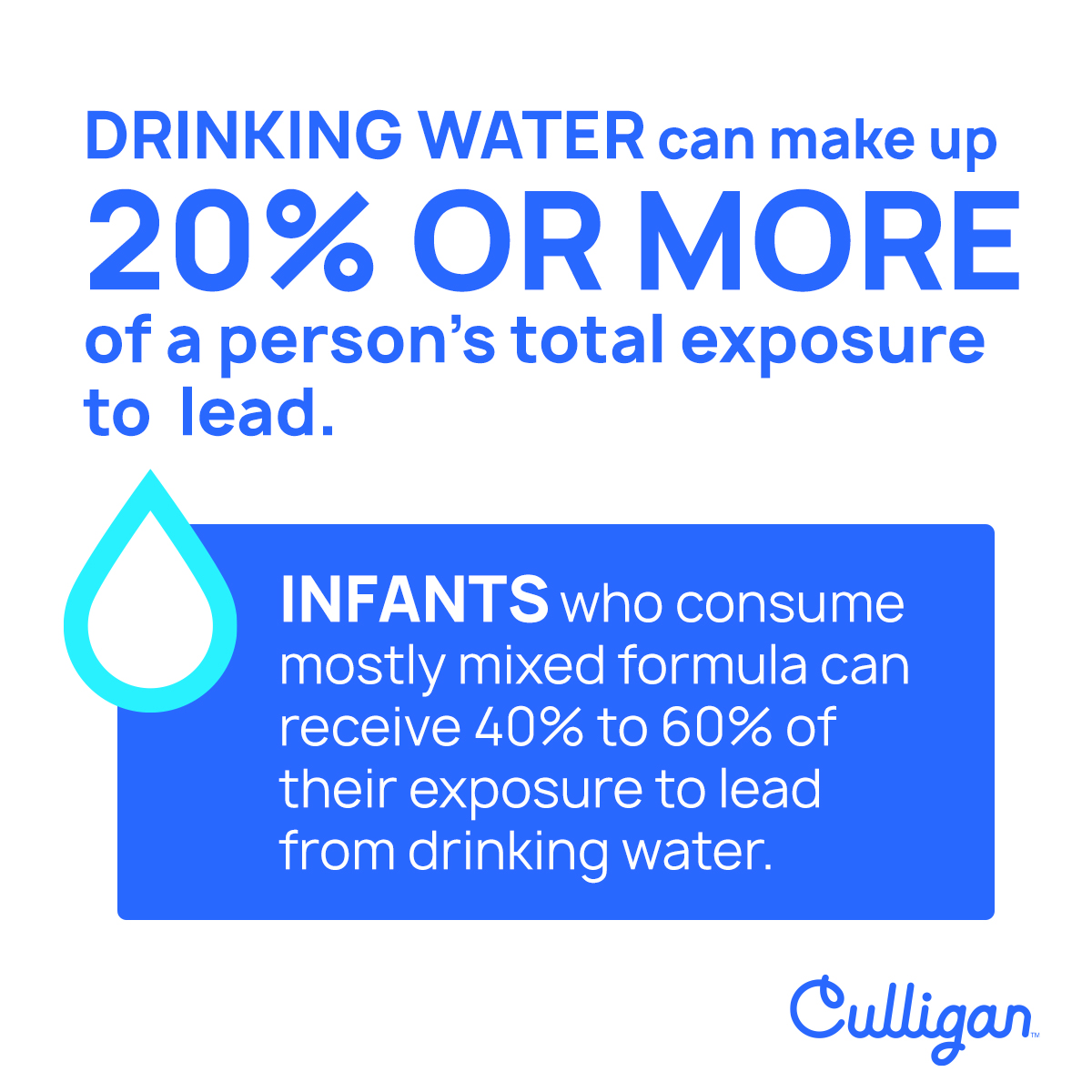
In addition to its once widespread use, and continued use in some plumbing fittings and solder, lead is virtually undetectable in water. Since you can’t see, taste, or smell it, prolonged exposure can be common. Lead in drinking water is especially harmful for young children and pregnant women, but is not safe for anyone to consume, in any concentration. Since lead is not visible, tasteless, and odorless, many homeowners are unaware of exposure without testing.
For children, the effects of consuming lead-contaminated water are especially high. Once consumed, lead remains in our bodies or ‘bioaccumulates’, as we can’t flush the contaminant from our system. Once there, lead can cause serious behavioral and cognitive problems for children, and over time it can lead to:
- Low IQ
- Hyperactivity
- Slowed, delayed, and stunted growth
- Problems hearing
- Anemia
- Seizures, coma, and possibly even death in severe situations
Lead also crosses the placenta, so it’s especially important for pregnant women to avoid drinking water contaminated with lead. In addition to harming the mother, it can cause stunted fetal growth and premature birth.
For the average adult, lead exposure from water can cause heart and cardiovascular issues, reduce kidney function, and contribute to reproductive problems.
The degree and severity of these issues depends on how much lead you’ve been exposed to, and how much is stored in your body, though governing health authorities like the Centers for Disease Control (CDC) caution that no amount of lead is safe.
How Filtration Systems Help Reduce Lead in Tap Water
Certain water treatment systems are designed to reduce lead at the point where water is used most.
Common solutions include:
- Reverse osmosis systems: Installed at the kitchen sink, these systems are designed to reduce lead and other dissolved contaminants in drinking and cooking water.
- Whole-house water filters: These systems treat water as it enters the home, helping reduce contaminants before they reach faucets, showers, and appliances.
These solutions can help provide more consistent water quality throughout the home, especially in areas where plumbing may contribute to trace metal exposure.
Solutions
Suggested Products
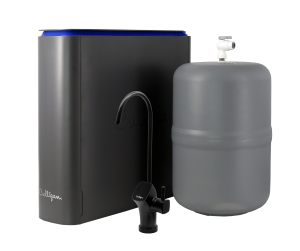
The Aquasential® Smart Reverse Osmosis Water Filter (RO)
- 5 stages of filtration and 12 filter options
- Certified for reduction of 58 contaminants
- 2-in-1 sediment and carbon filter screens out sediment and particles
- Can alert you and your dealer when service or filter replacements are needed
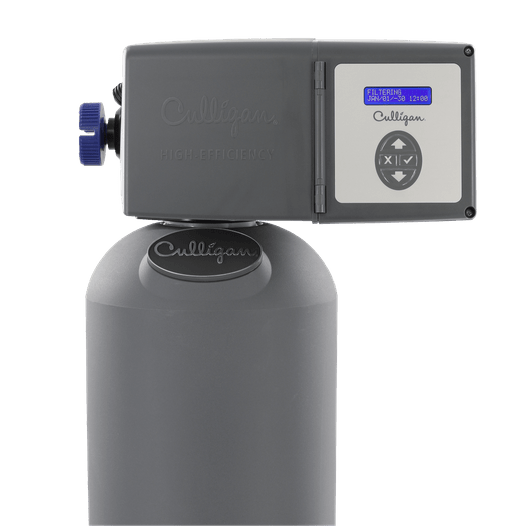
Aquasential™ Smart High Efficiency Whole House Water Filters
Reduce sediments in your water and contaminants that cause your water to appear, taste, and smell unpleasant. Your system can also lessen the taste and odor of chlorine, and prevent pipe damage and staining from low pH water. Additional customizations include:
- Culligan® Filtr-Cleer® Water Filters – Reduces Sediment Problems
- Culligan® Cullar® Water Filters – Reduces Taste and Odor Problems
- Culligan® Cullneu Water Filters – Reduces Acid Problems
Start With a Water Test in Tiffin
Because lead exposure can vary from one home to another, testing is one of the most important first steps.
A professional water test can help determine:
- Whether lead is present at the tap
- How plumbing may be impacting water quality
- Which filtration solutions are best suited for your home
Lead Pollution in America: Synopsis of Flint Crisis
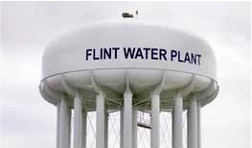
The Flint Water Crisis began in 2014 when a change in water source and improper treatment caused lead to leach from aging pipes into the drinking water supply.
While the immediate crisis has since been addressed and water quality has improved significantly, the situation remains one of the most well-known examples of how changes in water chemistry and infrastructure can impact drinking water safety.
Today, Flint is often referenced as a case study in the importance of corrosion control, infrastructure maintenance, and ongoing water quality monitoring.
The final tally on the Flint Water Crisis, which included e.coli bacteria, THMs, lead, and a Legionnaire’s disease outbreak, resulted in 6,000 to 12,000 children exposed to lead and a slew of lawsuits, investigations, resignations and criminal indictments.